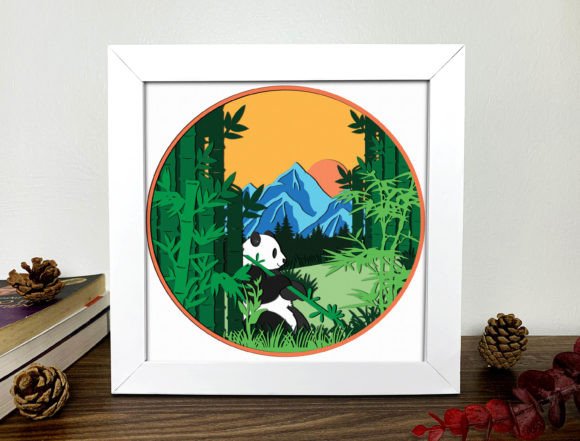
Panda Shadow Box 3D SVG for Creative Marketplaces
When evaluating a new graphic design asset, I look for versatility, visual appeal, and commercial potential. The Panda Shadow Box 3D caught my eye as a unique 3D SVG that could add dimension and charm to a variety of digital products. As an experienced digital product creator who sells on Etsy, Canva templates, and print-on-demand platforms, I approach every asset with a practical mindset—will this work across different file types, printing methods, and customer preferences? Let’s dive into what I found after testing this design in real-world scenarios.
First Impressions: A Playful Yet Sophisticated Look
The Panda Shadow Box 3D has a whimsical yet elegant feel. Its soft curves and layered depth suggest a handmade or decorative aesthetic, which is perfect for handmade businesses or sellers targeting the lifestyle niche. It doesn’t scream “trendy,” but it does have enough visual warmth and character to stand out in a sea of generic designs. The panda itself is stylized but not overly cartoonish, making it appealing to both kids and adults depending on how you present it.
This kind of illustration works well for Other categories where a broad audience might be looking for something memorable and slightly nostalgic. If your brand identity leans towards cozy home decor, seasonal collections, or personalization services, this design can blend seamlessly into your offerings.
Testing Across Product Types
I used the Panda Shadow Box 3D in several formats to see how it would perform:
- SVG Products: The layering and cut lines worked perfectly with Cricut Maker 3. You can easily use colored cardstock to create layered paper crafts, like shadow boxes or greeting cards. The design allows users to choose their own color schemes, giving customers creative control while maintaining professional results.
- Printable Wall Art: When converted to PNG, the design retained its clarity and detail. It looks especially nice when framed in mockups or paired with soft pastel tones for nursery prints or bedroom wall art.
- Merchandise Graphics: Applied to t-shirt and mug designs, the panda added a touch of personality without overwhelming the product. For tote bags and tumblers, the 3D aspect translated well using sublimation techniques, offering a tactile illusion even in flat print.
- Planner Stickers: The layered effect made these stickers pop visually in bullet journals and planners. They were easy to resize and fit neatly alongside other elements without disrupting the layout.
- Canva Templates: I tested it in a few Canva layouts for social media posts and blog headers. The panda looked great as a focal point, especially when paired with minimalist text and clean backgrounds.
Overall, the Panda Shadow Box 3D performed well across most printable design applications. It’s particularly suited for projects that benefit from layered visuals or subtle 3D effects.
Product Presentation and Customer Appeal
One of the biggest challenges for online sellers is ensuring their digital download listings look professional and enticing. The Panda Shadow Box 3D helped me elevate the visual hierarchy of a product listing by serving as a central motif in thumbnails and previews. Its gentle form and layered structure lend themselves well to creating product mockups that feel handcrafted and high-quality.
When designing for marketplaces like Etsy or Creative Fabrica, the thumbnail is often the first impression. This design’s bold silhouette and soft gradients gave my sample listings a noticeable boost in click-through potential. It also supported brand consistency by matching well with existing logos and fonts, especially when placed in white space or against solid-colored backgrounds.
For seasonal bundles, the panda had a surprisingly adaptable mood. With minor tweaks to background colors and supporting graphics, it shifted from a cute springtime accent to a cozy autumn-themed element. That flexibility is gold for sellers aiming to reuse assets across multiple collections.
Where This Design Shines
The Panda Shadow Box 3D works best in situations where the design needs to make a visual impact without being too busy:
- Large Previews: Ideal for showcasing in full-screen mockups or as part of a gallery-style listing.
- Themed Bundles: Great for combining with other animals or nature-inspired illustrations in cohesive packs.
- Decorative Layouts: Adds texture and interest to scrapbooking kits, planner inserts, or DIY craft tutorials.
- Print-on-Demand Merch: Looks good on apparel, drinkware, and accessories with proper scaling and alignment.
- Marketplace Listings: Works as a feature image for creative marketplace shops focusing on handmade or personalized items.
Its 3D qualities are subtle but effective, making it suitable for commercial design without appearing gimmicky. It adds a sense of premium quality to otherwise simple products.
Use Cases to Approach with Caution
While versatile, there are some limitations to consider before including Panda Shadow Box 3D in all your product offerings:
- Tiny Details: The intricate parts of the panda become less visible at smaller sizes. Avoid using it for micro-sticker designs or icons where clarity matters.
- Crowded Thumbnails: Don’t overload your Etsy or Shopify thumbnails with this design unless you’re sure it will remain legible and dominant.
- Dark Backgrounds: The soft gradients may lose contrast when placed on darker substrates. Test it on black or navy mugs to ensure visibility.
- Text-Heavy Templates: If your Canva template includes a lot of overlaid text, the panda might get lost or cluttered. Use it sparingly in such cases.
- Low-Resolution Print Jobs: Always verify that the PNG version holds up under standard print resolutions. Some print-on-demand platforms compress images, which could affect the final output.
Practical Seller Tips for Using Panda Shadow Box 3D
Here’s how I recommend integrating this asset into your workflow before publishing:
- Test Mockups: Apply the design to realistic product shots (like a mug or wall art) to see how it performs visually.
- Thumbnail Preview: Make sure it stands out clearly in small sizes. Sometimes, the right placement and background can turn a decent thumbnail into a top performer.
- Background Contrast: Try placing it on both light and dark backgrounds to understand how it adapts. This helps avoid surprises once customers start ordering custom versions.
- Check File Quality: Open the SVG in Cricut Design Space and Silhouette Studio to confirm cutting accuracy. Any misalignment could lead to production issues.
- Font Pairings: The panda pairs well with serif fonts for a classic look, sans-serif for modernity, script for elegance, and handwritten styles for a more personal vibe. Avoid overcomplicating the font choices to keep the design readable and stylish.
- Commercial Licensing: Before selling finished products, always double-check the commercial license included with the asset. Ensure it covers resale, print-on-demand, and multi-platform usage if needed.
Final Thoughts for Digital Sellers
The Panda Shadow Box 3D is a strong contender for graphic design assets that need to bridge the gap between personal and commercial use. It offers enough visual interest to catch attention, yet remains flexible enough to adapt to various niches—from festive holiday prints to elegant baby room decor.
If you're a digital product creator building a collection for Etsy, Shopify, or a creative marketplace, this design can help you achieve a more polished and cohesive look. Just remember to test it thoroughly across different mediums and scale levels. Not every design works equally well on everything, and knowing when to use it makes all the difference in customer satisfaction and sales performance.
In short, Panda Shadow Box 3D is a valuable addition to your toolkit—if you’re ready to experiment and apply it thoughtfully. It’s one of those rare assets that feels both artisanal and scalable, which is exactly what we need in today’s competitive design bundle market.