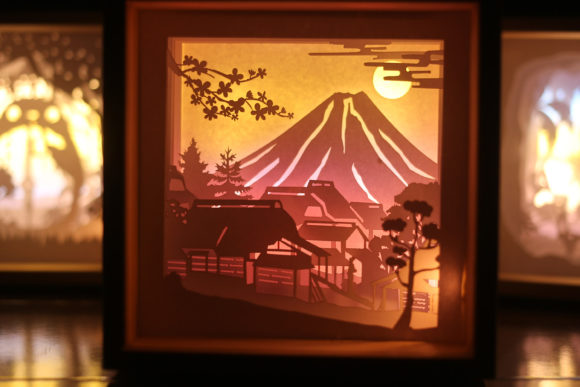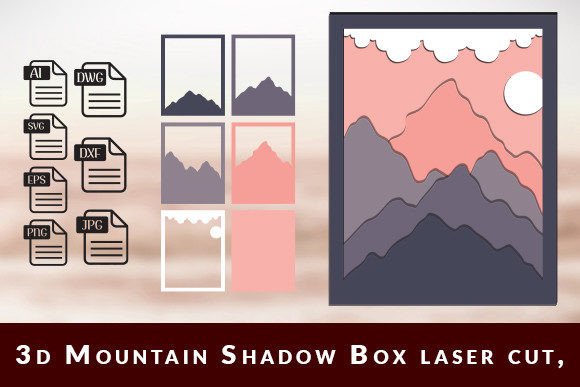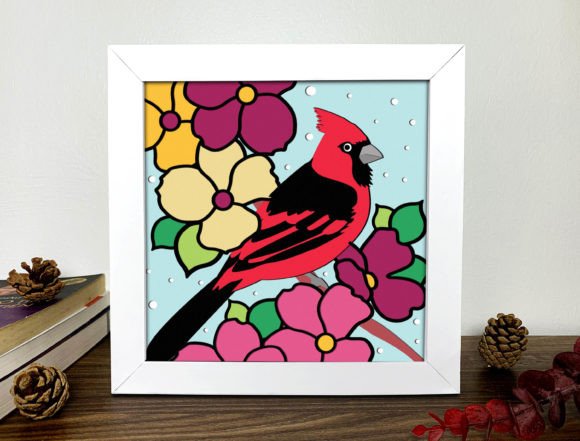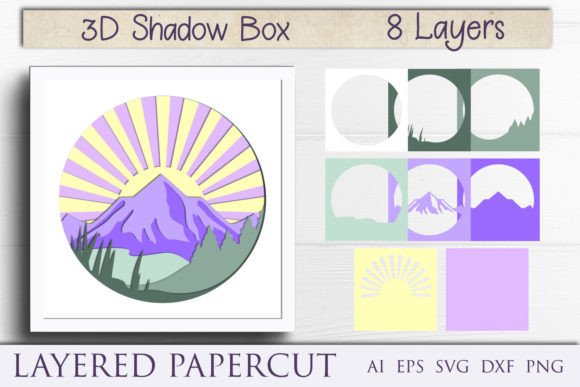
Hippie Shadow Box 3D SVG for Creative Marketplace Sellers
First Impressions and Niche Fit
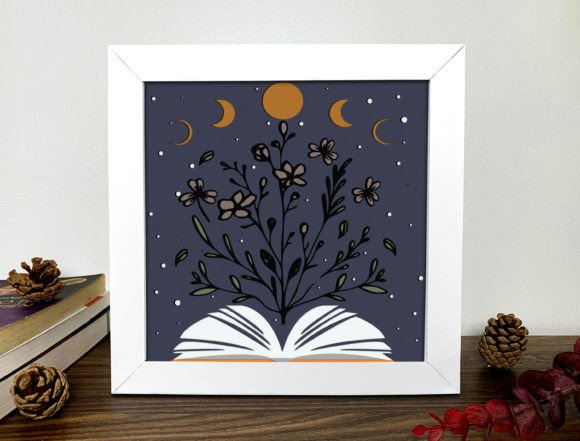
When I first saw the Hippie Shadow Box 3D, it immediately struck me as a design that speaks to a very specific aesthetic. The visual personality is warm, free-spirited, and rich with bohemian charm — think tie-dye patterns, floral accents, and layered textures that evoke a sense of handcrafted authenticity. This kind of look resonates well with audiences who gravitate toward handmade businesses, vintage-inspired decor, and small-batch creative products.Real-World Applications for Digital Sellers
As someone who regularly works with SVG designs and printable assets, I was curious how this asset could translate into actual sellable products. Here are a few ways I’ve tested and considered using the Hippie Shadow Box 3D:- Etsy product listings: It looks fantastic on greeting cards and planner stickers. The 3D depth gives it an extra layer of visual interest that makes it stand out in a crowded marketplace.
- Print-on-demand: When applied to tumbler wraps and tote bag prints, the design adds a unique texture without overwhelming the space. It’s especially effective when paired with soft pastel colors or natural materials like cotton and ceramic.
- Canva templates: I used it in a blog graphic layout and found it enhanced the overall feel of the design. Its layered structure allows for some creativity in stacking and positioning other elements around it.
- Cricut projects: Since it's compatible with all cutters (including the Cricut Maker 3), it’s easy to bring to life with different colored papers. You can let customers choose their own paper palette to customize the final look — a great way to boost perceived value and encourage repeat sales.
Product Presentation and Visual Appeal
One of the biggest challenges for online sellers is creating compelling product mockups that convert. The Hippie Shadow Box 3D has a strong presence and can really elevate thumbnails and listing images. I created a mockup preview for an Etsy listing using this design and noticed it caught attention faster than my usual flat graphics. Because of its intricate layers and dimensional appeal, it works especially well in decorative layouts. Think about using it in:- Wall art previews
- Handmade card displaysNursery print bundles
- Invitation templates with a boho twist
- Social media promo visuals for a brand identity refresh
Where It Works Best
- Large product previews: The detail in the 3D elements looks best when there’s enough space to appreciate the craftsmanship.
- Themed design bundles: Pair it with other bohemian or earthy illustrations for cohesive, market-ready packs.
- Decorative printable products: Whether it's wall art, scrapbooking kits, or sticker sets, the design adds a nice touch of whimsy.
- Miscellaneous merchandise graphics: Mugs, t-shirts, and phone cases benefit from its organic style and layered composition.
- Seasonal collections: With a bit of tweaking, it can fit into springtime or summer-themed bundles focused on nature, wellness, or self-expression.
Use Carefully in These Situations
While the Hippie Shadow Box 3D is versatile, there are scenarios where it might not perform as well:- Tiny sticker details: The fine lines and overlapping elements may become too busy at smaller sizes.
- Overly complex layouts: If your template already has multiple design elements, adding this one might reduce clarity rather than enhance it.
- Low-resolution print products: Always test the PNG output before using it in printed items. Some lower-quality printers may struggle with the fine details.
- Crowded thumbnails: On marketplaces, it's important to keep your listing image clean and legible. Too much going on in the design can confuse buyers at a glance.
- Dark backgrounds: The contrast in the design isn't always high enough to pop on darker tones. Test variations with white or light-colored substrates for better visibility.
- Text-heavy templates: Avoid placing large blocks of text over the design unless you’re sure it won’t clash with the intricate details.
- Clean cutting lines: If your project requires sharp, precise cuts (like laser-cut wood signs), double-check the SVG file for unnecessary nodes or overlapping paths that might complicate the process.
Practical Seller Notes
Tested on real mockups: I used it in a variety of product mockup formats — from greeting cards to tumbler wraps — to see how it adapts across different mediums. The PNG version worked well for print-on-demand applications, while the SVG maintained crisp edges during die-cutting tests.
Thumbnail testing: I resized the design to 500x500 pixels to simulate how it would appear in a marketplace thumbnail. While the main shape remained recognizable, some internal details were lost. So, for listing images, I recommend focusing on the central silhouette and letting the rest breathe.
Background compatibility: The design looked best against white or pastel tones. On black or dark grunge-style backgrounds, it needed a white stroke or drop shadow to maintain visibility.
Color testing: Since the design suggests using multiple paper colors, I tested various color combinations to ensure they don’t muddy the overall look. Lighter hues tend to highlight the 3D effect more effectively.
File organization: As a seller of digital downloads, I know how important it is to provide clear files. The Shadow Boxes design came in a well-organized folder with layered SVGs and PNGs ready for use — a huge time saver when preparing a design bundle.
Font pairing: I experimented with different typography styles to find what complements the design. A bold serif or a soft script font works particularly well, helping to reinforce the boho-chic aesthetic.
Licensing check: Before offering any finished product for sale, always confirm that the asset includes a valid commercial license. This ensures you can legally use it in SVG products, printable wall art, and other merchandise graphics without issues down the line.