Fairy in the Woodland 3D SVG for Fantasy And Fairy Tales Content
As an experienced blog designer and digital publisher, I always look for graphic design assets that elevate content without overshadowing it. The Fairy in the Woodland 3D Shadow Box caught my eye immediately with its ethereal charm and rich visual storytelling. This design brings a touch of enchantment to any editorial layout or web page, making it perfect for niches rooted in fantasy, imagination, and whimsical narratives.
Ethereal Mood and Editorial Impact
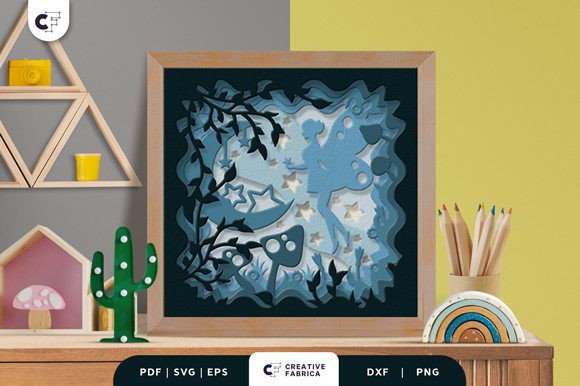
The Fairy in the Woodland 3D Shadow Box creates a dreamlike mood that’s both inviting and immersive. It’s ideal for blogs and websites centered around fantasy and fairy tales, especially those targeting younger audiences, creative educators, or content creators in the lifestyle and storytelling space. The intricate details in the background, combined with the soft lighting on the central figure, evoke a sense of mystery and wonder—perfect for pulling readers into a narrative world.
This asset feels feminine and playful but still retains a level of sophistication that can work across various platforms. Whether you're designing for a children's book blog, a magical realism podcast, or a seasonal content campaign, this design adds emotional resonance to your visuals.
Real-World Publishing Applications
One of the first places I’d consider using this shadow box is as a Pinterest pin. Its 3D depth and magical elements naturally stand out in a scroll-heavy feed, increasing the potential for clicks and engagement. Similarly, it works beautifully as a blog featured image, especially when paired with a headline about bedtime stories, folklore, or nature-inspired creativity.
For website headers, this design could serve as a striking category thumbnail or landing page banner. Its high-quality SVG format ensures crisp rendering at any size, which is essential for maintaining a professional appearance on modern websites. In editorial layouts, the 3D SVG could be used as a header graphic for articles discussing fantasy art trends or even as a decorative element in sidebars or footers.
When it comes to newsletter banners, this shadow box offers a unique way to introduce new content, such as a downloadable digital guide on creating your own fairy tale illustrations or a themed lead magnet like “Midnight Forest Inspiration Pack.” Its visual appeal makes it a strong contender for attracting attention in email clients where images are often viewed in isolation.
Supporting Digital Products and Lead Magnets
In the realm of content marketing, the Fairy in the Woodland 3D Shadow Box is a valuable asset for wrapping up digital downloads. It could be the perfect backdrop for a printable design like a fairytale worksheet or a coloring page set. When placed within a Canva template, it gives your resources a polished, ready-to-go aesthetic that appeals to busy bloggers and educators who want to deliver quality materials without spending hours on design.
I also see potential for using it in media kits or promotional materials for fantasy-themed brands or indie authors. Its artistic style supports brand identity by reinforcing themes of magic and imagination, which are crucial for niche markets looking to build a distinct visual language.
Boosting Content Performance with Strong Visuals
Strong visuals are the backbone of effective content publishing, and this design asset does more than just look pretty—it enhances performance. The visual hierarchy is well-balanced: the fairy stands out while the forest background provides enough detail to spark curiosity without overwhelming the viewer. This balance helps create a stronger first impression, especially on social media graphics or article thumbnails.
Its use across different formats—from website headers to downloadable printables—ensures consistent branding and builds reader trust over time. A cohesive visual system strengthens your brand identity and makes your content more recognizable. For affiliate marketers, this kind of consistency is key to establishing authority and credibility in competitive niches like creative marketplace or small business branding.
Click-Through Potential and Category Recognition
The click-through potential of this design is high due to its uniqueness and the emotional pull it has. On platforms like Pinterest or Instagram, where imagery drives traffic, the 3D SVG can help your pins or posts stand out from generic stock photos. Readers are more likely to click on something that feels handcrafted and authentic.
Additionally, the fantasy theme supports better category recognition. If you’re running a blog with sections like “Myth & Legend” or “Fantasy Art,” placing this graphic near related content reinforces the topic instantly. It acts as a visual cue, helping users navigate your site with ease and confidence.
Where This Design Works Best
- Hero Images: Use it as a full-width banner on a fantasy-themed blog post or landing page.
- Article Thumbnails: Pair with headlines about fairy tales, enchanted forests, or midnight magic for instant visual intrigue.
- Pinterest Pins: Combine with a short, catchy headline to boost visibility and save rates.
- Blog Graphics: Integrate into sidebar widgets or call-out boxes for visually driven storytelling.
- Editorial Accents: Add subtle charm to magazine-style layouts or digital zines focused on fantasy and folklore.
- Content Upgrades: Feature it on a free printable PDF like “Fairy Tale Writing Prompts” or “Enchanted Forest Journal Pages.”
- Downloadable Resources: Use as a cover for a digital product or inside a lead magnet to enhance perceived value.
- Category Visuals: Represent fantasy-themed sections with this graphic to make navigation intuitive.
- Newsletter Headers: Draw attention to themed issues or seasonal updates with a magical flair.
- Social Media Previews: Use it in YouTube thumbnails or Instagram story highlights for fantasy-related content.
Where to Use with Caution
While this design is powerful, it’s not a one-size-fits-all solution. Be cautious when using it in small mobile thumbnails, as the intricate details may get lost. It also doesn’t pair well with text-heavy blog images, where too much visual activity can reduce readability.
If your website uses a very minimal visual system, this shadow box might feel out of place unless it’s part of a larger strategy to incorporate thematic elements. Likewise, avoid using it in corporate content or formal professional niches where a bold, clean aesthetic is preferred over whimsy.
Practical Publisher Tips
Before integrating the Fairy in the Woodland 3D Shadow Box into your workflow, here are some tips to ensure optimal results:
- Test on desktop and mobile screens: Ensure the design remains legible and impactful across all devices.
- Check how it looks as a thumbnail: Resize it to 500x300 pixels and evaluate if it still conveys the intended message.
- Preview in a real blog layout: Place it alongside text and other design elements to test integration and flow.
- Test with headline text: Overlay sample headlines in various font styles (serif, sans serif, script, display) to assess contrast and harmony.
- Check contrast and readability: Especially important for accessibility—ensure the fairy stands out against the background.
- Try it in black and white: Some platforms render images in grayscale; confirm the design still works without color.
- Review file size for web performance: Optimize SVGs and raster versions to keep loading times fast.
- Compress images properly: If exporting to PNG or JPEG for certain platforms, maintain quality without bloating load speeds.
- Confirm commercial licensing: Always verify permissions before using this graphic design asset on monetized sites, affiliate pages, or paid products.
Design Asset Versatility and Branding Value
What makes the Fairy in the Woodland 3D Shadow Box truly special is its versatility. It’s not limited to one platform or purpose. From eBook covers to digital ads, this asset can adapt and contribute to a cohesive visual identity for your brand.
For online educators, it could frame lessons on folklore or inspire creative writing prompts. For creative entrepreneurs, it can be a signature element in your web design toolkit, helping you craft engaging visuals for courses, workshops, or affiliate marketing campaigns.
Even in editorial design, it can serve as a subtle accent to highlight key sections of an article or to separate content blocks in a long-form post. The 3D layering effect adds depth, making it feel less flat and more dynamic—an important trait in today’s visually saturated digital landscape.
A Note on Commercial Use and Web Performance
Since this is a commercial design, it’s important to note that proper licensing is necessary if you plan to use it in monetized environments. Always check the terms of use provided by the creator or marketplace to avoid legal pitfalls. Many creative marketplaces offer clear commercial licenses, but it’s best to be thorough.
Also, keep an eye on file size when exporting. While SVGs are generally lightweight, if you need a PNG version for compatibility, compress it using tools like TinyPNG or ImageOptim to maintain quality without sacrificing speed. Fast-loading blog graphics are critical for SEO and user experience alike.
Final Thoughts on Integrating the Design into Your Workflow
The Fairy in the Woodland 3D Shadow Box is more than just a pretty picture—it’s a strategic tool in your design assets arsenal. When used thoughtfully, it can transform mundane content into something memorable and shareable. Its fantasy and fairy tales theme opens the door to a wide range of creative applications, from digital download packaging to social media storytelling.
As a designer and publisher, I appreciate assets that align with a specific mood while remaining flexible enough to adapt to multiple platforms. This one checks all the boxes: it’s editorially rich, technically sound, and emotionally resonant. Just remember to tailor its use according to your audience and brand voice, and you’ll find it’s a powerful addition to your content creation toolkit.