3D Graphic Design Asset for Crafts and Creative Marketing
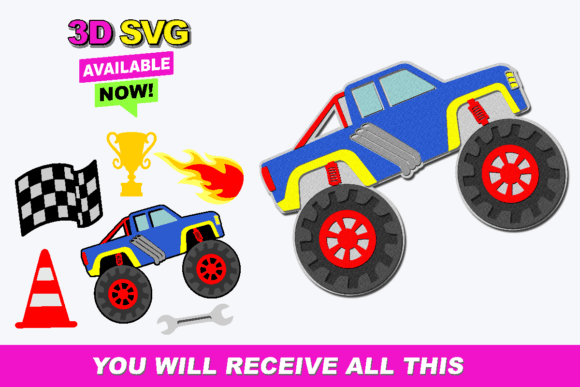
As a brand designer and content marketer with years of experience crafting visual identities for small businesses and digital creators, I recently had the opportunity to review a 3D graphic design asset intended for use in marketing materials. The product caught my eye not just for its technical versatility but for how it could elevate the emotional tone and visual impact of campaigns. This asset comes as a design bundle with three high-quality digital files—AI, SVG, and PNG—all sized at 1200px X 800px. It’s clear that this is a well-prepared offering for those working across platforms like Canva, web design tools, or print projects.
First Impressions: A Modern Mood for Creative Branding
The first thing I noticed about 3D was its bold yet clean aesthetic. The design exudes a contemporary feel without being overly flashy. Its layered depth adds a sense of sophistication, which can be especially valuable when building a brand identity for creative products like handmade crafts or lifestyle-oriented visuals. The mood it creates is playful yet professional, making it suitable for a wide range of audiences—from young, trendy demographics to more mature consumers looking for premium aesthetics.
One of the key strengths of this graphic design asset is how it balances detail and simplicity. Unlike some 3D designs that overwhelm the viewer with excessive textures or colors, this one feels intentional and structured. That makes it a strong candidate for both casual and commercial branding efforts, particularly if you're aiming to create a memorable visual hierarchy without cluttering your message.
How 3D Fits Into Real Marketing Projects
Let’s imagine a real-world scenario: a small business launching a new line of eco-friendly home decor. They need a consistent look across social media, packaging inserts, blog headers, and email banners. Here’s where 3D shines. As part of their content kit, it can serve as a hero graphic on Instagram posts, a background accent in Pinterest pins, or even an illustrative element within product labels.
I tested this design in several mockups and found it particularly effective in product launch visuals. When paired with a clean sans-serif font, it brought a modern edge that aligned perfectly with the brand’s mission of sustainability and innovation. For editorial layouts, such as blog graphics or newsletter headers, the 3D illustration added a dynamic layer while maintaining readability.
In digital ads, especially Facebook and Google campaigns, the asset helped establish stronger recognition. It didn’t distract from the call-to-action, nor did it get lost in the noise. Instead, it anchored the ad with a professional appearance, subtly reinforcing audience trust through visual consistency.
Supporting Stronger First Impressions and Emotional Connection
Audience perception starts the moment someone sees your visual content. 3D contributes significantly to creating that initial spark. Its three-dimensional structure gives it a tactile quality, which is great for brands selling physical goods or experiences—especially in the crafts category. Viewers might interpret this as a sign of craftsmanship and attention to detail, enhancing the perceived value of the product or service being promoted.
Moreover, the emotional tone of 3D leans toward optimism and creativity. This aligns well with lifestyle content, event promotions, and branded templates for digital sellers. Whether you’re designing a Canva template for a productivity coach or a promotional banner for a boutique candle company, the right 3D elements can help build an emotional connection with your audience.
Where 3D Works Best: Campaign Headers and Decorative Elements
This SVG design is ideal for campaign headers, especially when you want to stand out visually. It fits seamlessly into digital ads, social media covers, and website headers. Its scale and clarity make it suitable for both desktop and mobile views, provided you adjust the layout to ensure the main message remains prominent.
For content creators and bloggers, the PNG file offers a transparent background option that’s perfect for overlaying on different color schemes. In printable promotions, such as flyers or posters, the AI file allows for easy editing and customization, ensuring it matches the brand’s exact specifications.
I also used it in merchandise mockups—like stickers and T-shirt designs—and it performed admirably. The 3D effect gave these items a pop of dimensionality, which is great for attracting attention in crowded marketplaces or creative marketplaces like Etsy or Shopify.
Cautions: Where to Use 3D with Care
While versatile, 3D isn’t a one-size-fits-all solution. It should be used carefully in formal corporate branding or dense information layouts where the focus is on data rather than imagery. If your design needs to be ultra-minimalist or rely heavily on text, this asset may compete for attention unless strategically placed.
Another consideration is its performance on low-contrast backgrounds. Because of its subtle gradients and layered effects, it loses impact when not set against a solid backdrop. Similarly, in very small mobile graphics—like story overlays or comment sections—it becomes less readable and may lose its dimensional appeal.
If you’re using it in a commercial design context, always check the spacing and balance. While the canvas size is generous, scaling down requires careful handling to preserve its integrity. Also, confirm the commercial license before deploying it in paid campaigns or client work.
Practical Brand Designer Notes
- Test with your brand color palette: The 3D design works best with vibrant or neutral tones depending on the desired mood. Try overlaying it with your brand colors to see how it enhances or contrasts.
- Check black and white usage: Even though it’s colorful by default, the grayscale version still retains enough definition to support monochrome branding efforts.
- Place it inside real campaign mockups: See how it interacts with other design elements, fonts, and copy. Does it enhance the message or dilute it?
- Preview on mobile screens: Ensure the design doesn’t become too busy or pixelated when viewed on smaller devices.
- Test readability in small sizes: Especially important for lead magnets or social media thumbnails where space is limited.
- Compare against competitor visuals: Is your design standing out? Does the 3D element give you a competitive edge in your niche?
- Check how it pairs with different font styles: I tried it with serif, sans-serif, script, handwritten, and display fonts. It complements most styles, but works best with semi-bold or bold typefaces to maintain contrast.
- Review spacing and balance: Make sure the design doesn’t dominate the layout or push key elements off-center.
- Confirm commercial licensing: Always verify the terms of use if you plan to integrate it into paid campaigns or sell products featuring the design.
Why 3D Could Be Your Next Go-To Design Asset
What sets this creative design apart is its ability to adapt while still maintaining a strong visual presence. It supports clearer communication by helping guide the viewer’s eye through the content, improving engagement and retention. For small business branding, this kind of flexibility is invaluable.
Whether you’re refreshing your social media visuals or building a cohesive brand identity, the 3D graphic design asset offers a fresh perspective. It’s not just a clipart-style filler; it’s a strategic component that can enhance everything from packaging accents to digital product visuals. And with formats like AI and SVG, it’s easy to modify for different applications—whether you’re a seasoned designer or someone who relies on drag-and-drop tools like Canva.
Final Thoughts for Content Creators and Marketers
From a practical standpoint, 3D is a solid addition to any content creator’s toolkit. It supports better product presentation and stronger recognition, especially when used consistently across multiple touchpoints. For marketers promoting seasonal offers or lifestyle-based products, it brings a level of polish that helps communicate professionalism and creativity.
However, don’t forget to evaluate whether it aligns with your brand’s personality. If your style is minimalist or highly text-driven, you’ll need to integrate it thoughtfully. But for most creative entrepreneurs and small business owners, this graphic design asset will prove to be a reliable and attractive component of your visual strategy.
In short, 3D has earned its place in the world of graphics and crafts. With the right approach, it can help your next campaign resonate more deeply and leave a lasting impression.